
Paper Skin, Stone Soul
Badri Narayan | Bikash Bhattacharjee | Ganesh Pyne | Jogen Chowdhury | K G Subramanyan | Krishen Khanna | Ram Kumar | Thota Vaikuntam
18 April – 18 May 2026
Paper Skin, Stone Soul brings together some of modern India’s most compelling figurative and modernist artists—Krishen Khanna, Jogen Chowdhury, Ganesh Pyne, Thota Vaikuntam, Badri Narayan, alongside Bikash Bhattacharjee, Ram Kumar, and K G Subramanyan—in an exhibition that explores the human body as a site of memory, myth, and psychological depth.
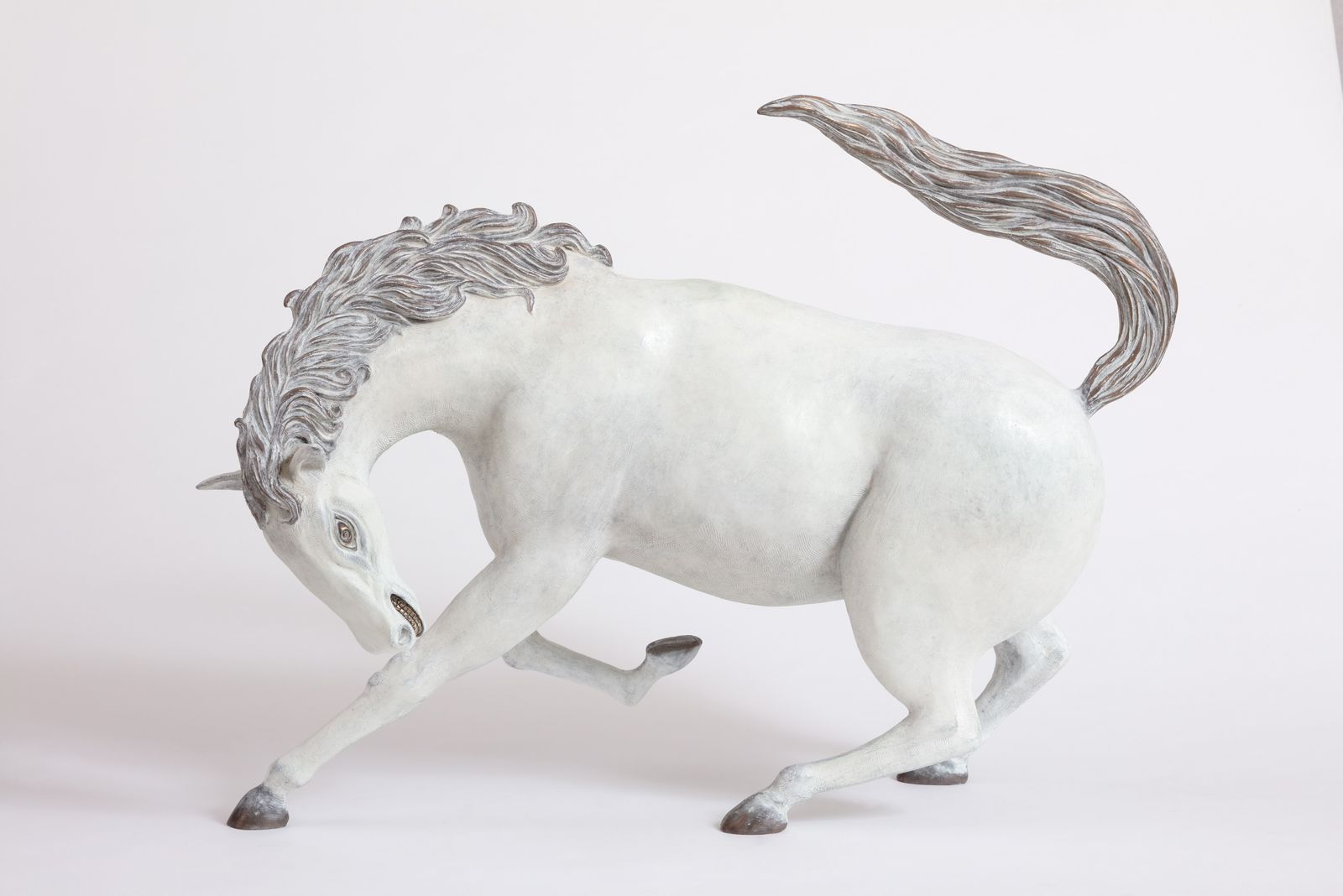
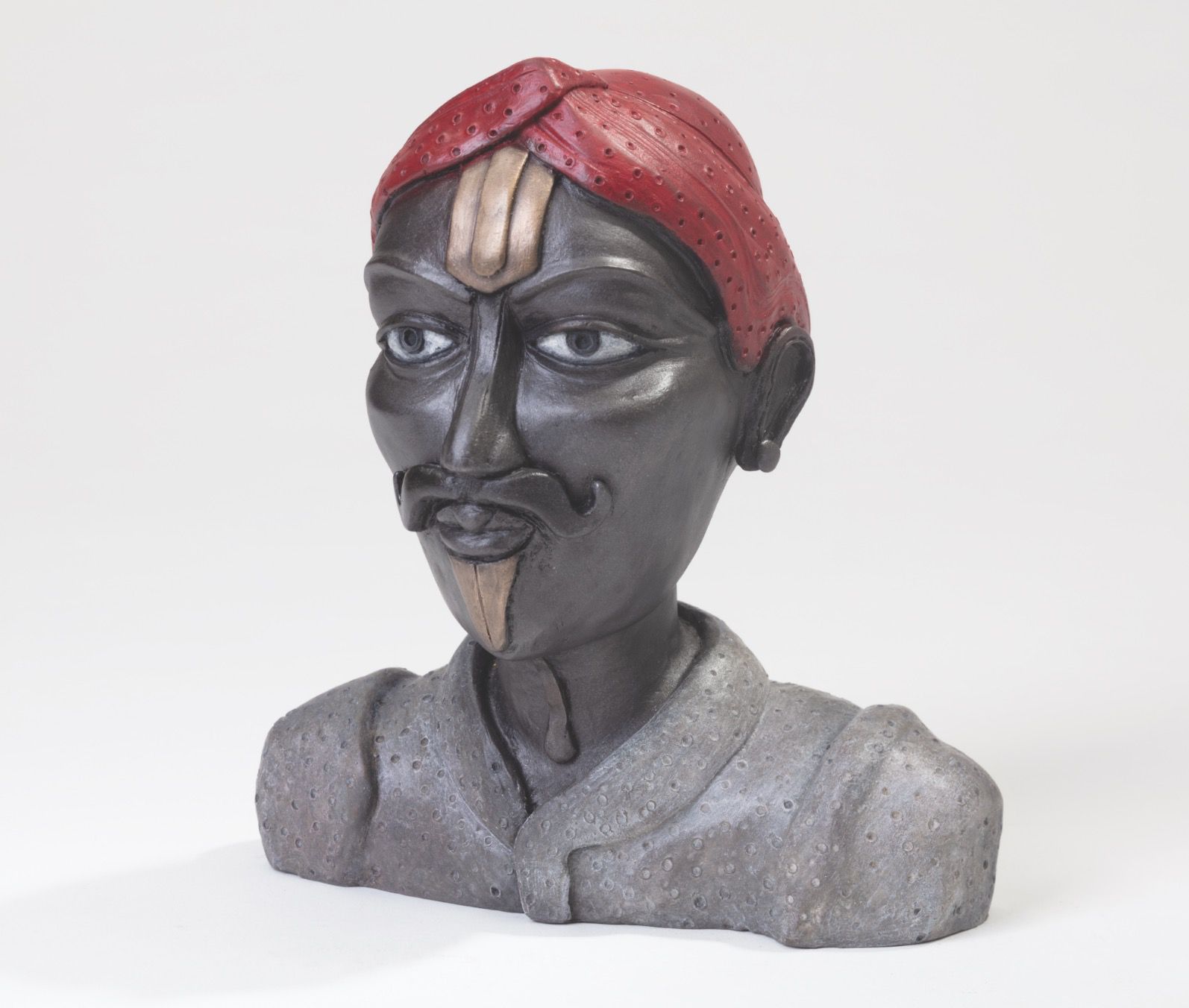
Across diverse practices and visual languages, the exhibition reveals a shared preoccupation: the human figure not as a stable anatomical form, but as a layered and often fragile surface—marked, distorted, and deeply expressive. Rendered through trembling lines, translucent tempera, and sculptural stillness, these bodies appear at once vulnerable and enduring.
The title Paper Skin, Stone Soul reflects this central tension. The figures in these works seem almost paper-like—thin, permeable, and inscribed with time—yet they carry an inner weight that is resolute and unyielding.
In the works of Jogen Chowdhury, the body is constructed through a dense web of cross-hatched lines—flesh becomes surface, stretched, contorted, and pressurised. His figures, often caught in uneasy postures, carry within them a tension between sensuality and discomfort, where line itself becomes a psychological instrument.
By contrast, Ganesh Pyne turns inward. His small-scale works on paper and tempera compositions—such as the intimate ink drawings and the haunting tempera figure included here—are steeped in shadow and silence. The surfaces appear worn, almost archaeological, as if memory itself has settled into the paper. His hybrid figures and spectral presences evoke a world where myth and subconscious merge, and where darkness becomes a vessel for introspection.
In the narrative worlds of Badri Narayan, the figure emerges through a lyrical and symbolic language. Drawing from folklore, miniature traditions, and storytelling, his works present the body as a carrier of fable—imbued with innocence, ornament, and quiet wit.
The existential figuration of Krishen Khanna introduces a more grounded human presence. His figures—often musicians, workers, or solitary individuals—are marked by a quiet dignity, their gestures and expressions reflecting the weight of lived experience and social reality.
In the work of Thota Vaikuntam, the body becomes monumental. His figures, rooted in rural South India, are defined by bold contours, flattened forms, and a striking stillness. They exist with a sculptural certainty—timeless, self-contained, and imbued with a quiet authority.
Bikash Bhattacharjee brings a heightened psychological intensity to the human form. His figures, often rendered with unsettling realism, inhabit a space between the familiar and the uncanny. Through precise detail and charged atmospheres, he exposes the fragility beneath the surface of everyday life.
With Ram Kumar, the figure dissolves into space. Even where figuration lingers, it is reduced to a presence—absorbed into abstracted landscapes of muted tones and shifting forms. His work speaks to an inner solitude, where the human condition is evoked through absence as much as form.
Finally, K G Subramanyan approaches the figure through a playful yet rigorous modernism. Drawing from craft traditions, folk idioms, and pedagogical experimentation, his works deconstruct and reassemble the body into rhythmic, dynamic forms—where narrative, design, and structure intersect.
Together, these artists trace a movement between line and silence, dream and distortion, intimacy and monumentality. The exhibition constructs an inner cartography of the human condition, where every contour carries the residue of experience and each figure emerges as a quiet yet enduring presence.
Rather than offering fixed narratives, Paper Skin, Stone Soul invites viewers into a space of introspection—where the boundaries between the real and the imagined dissolve, and the human form becomes a repository of both personal and collective histories.